A couple clicks and packages land at our doorstep… a deep dive into the ever growing industry of fast fashion.
What is Fast Fashion?
Fast fashion can be attributed to clothing that is inspired by current trends, made with toxic and cheap products while being produced at a rapid rate. Brands that take runway designs and replicate them overnight to put onto their sites also come under this umbrella. The most notorious, big named fast fashion brands are ZARA and H&M; and now a new sub sector of fast fashion has emerged: “ultra” fast fashion. Ultra fast fashion brands tend to be e-commerce based, with Shein being the biggest global ultra fast fashion brand.
Fast fashion came into play in the early 2000’s, when celebrity and influencer culture boomed and everyone felt inspired by changing trends and seasons. Clothing no longer became a necessity, but rather a form of expression for many, and currently a form of expression for all.
The issue that surrounds this concept now is the rapidity that social media has changed the trend game. A celebrity can wear or promote an item of clothing and the next day sites will be flooded with similar styled clothing for the mass public to purchase. Influencer culture, discount codes, monetization of social media advertisements have also accelerated fast fashion culture. This has in turn promoted and normalized “throw away culture.” Over 92 million pounds of textile waste end up in landfills yearly (8). With the pace that trends come and go, the problem of overproduction has consumed the fashion industry and has made it one of the biggest global polluters of our generation.
What makes fast fashion harmful to the environment?
Not only is the overproduction of clothing items clogging up our landfills and oceans, it’s what these products are made of that harm the environment at substantial levels. Fast fashion is meant to be cheap and accessible, and with this, the chemicals and dyes used to make these clothing items are toxic and dangerous. 90% of fast fashion clothing items are made with either polyester or cotton (3).
Polyester is the #1 choice for inexpensive clothing, however its production comes at a cost. Polyester is derived from fossil fuels, specifically coal and petroleum. To really get into the specifics, polyester is made from PET plastic pellets that are melted down and spun into woven fibres used for our clothes. In a 2021 report by “Changing Markets Fashion,” they state that in 2015 over 700 million tonnes of CO2 production was attributed to the production of polyester – equivalent to 180 coal-fired power plants in Mexico (1).
Polyester is also not a biodegradable product. In simple terms, clothes that end up in landfills and the ocean have no natural degradation process and instead leech micro-plastics for hundreds of years into our ecosystems, far beyond this generation’s time on this Earth, in turn harming future generations.
Another product that seems natural to the eye but has hidden environmental impact is cotton. Deemed as a cleaner thread, one cotton t-shirt can require up to 2700L of water to make. This is from the land clearing, pesticides, and soil quality that cotton needs to grow. Even the cotton reusable bags that have become the new “sustainable trend” require over 2500L of water to produce. Shockingly, 7/15 pesticides used in cotton production are listed as human carcinogens (2).
Not only are the fibres of the fast fashion industry harmful to the environment, it’s the quickness and convenience of fast fashion. Nowadays, with the boom of online shopping, we click our keyboard a few times and clothes appear at our doorstep in days. Despite this post focusing on the harmful environmental impacts, it’s important to shed light on the unsanitary and inhumane working conditions that companies promote to get clothes to consumers closets. You can read about the Rana Plaza Crisis here.
The quickness results in a higher volume of air and sea traffic, with loads of cargo coming from developing countries overseas to western consumers. I found it difficult to find specific emission percentages, but as a whole the fashion industry is responsible for more global GHG emissions than global aviation (7).
But I donate my clothes, is it still bad?
“The most sustainable clothes are the ones we already own.”
Dr. Katherine Duffy, Glasgow University.
In the Western world we are sheltered from a life that is consumed by the climate crisis, and fast fashion is no exception. The clothes we cycle through to keep up with ongoing trends may land in the donation box down the street, however it’s important to understand where they end up.
Most donated clothes are sold off to developing countries in “bales,” and here they are sold for a second time in used clothing markets. Over 17 million tonnes of clothes end up in landfills across the Global South. The biggest used clothing markets are located in West Africa, Accra and the Kantamanto Market. These markets see an influx of 15 million garments per week, and immediately an average of 40% are deemed unusable (3). These clothes are meant for the landfill, but due to the increased product and low waste management, a lot of these items end up in gutter systems, bodies of water, and piles of garbage lining the streets of local cities and towns. Since fast fashion found its boom in the early 2000’s, locals of Accra have found the quality of the clothing they receive is becoming less and less sellable, hurting their livelihoods and also filling their waste systems full of toxic material.
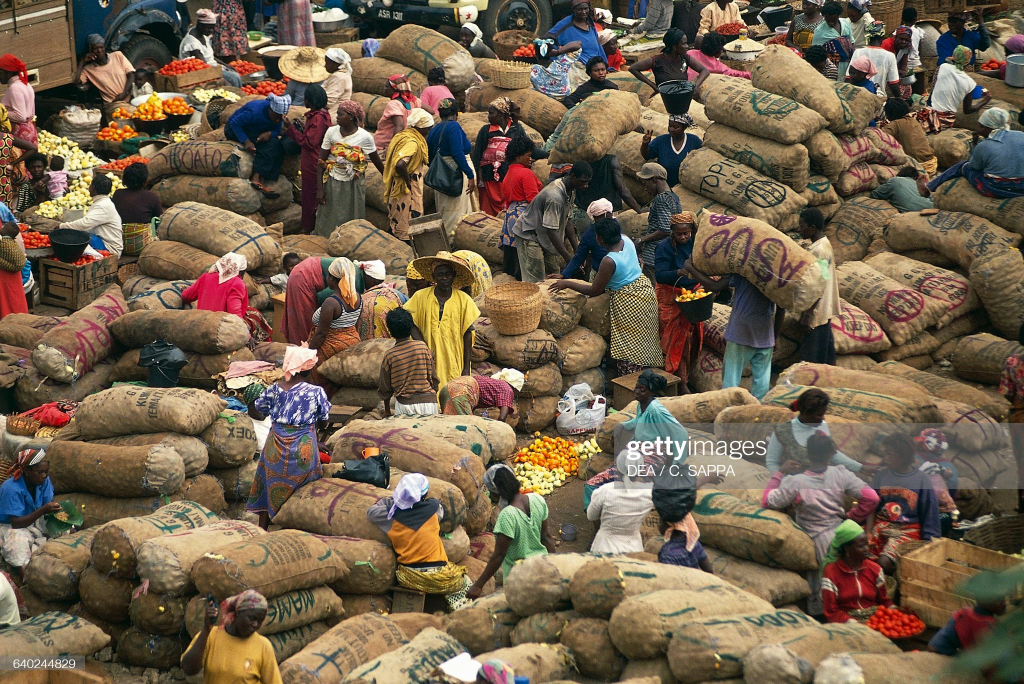
The clothing items that land in water and gutter systems sit in the drainage for years, leaching toxic micro-plastics and dyes into their drinking water and in turn harming the local population. Microfibres have been found in human organs and have been linked to reproductive health issues, cancer and DNA damage (O’Conner, 2018) (4). It is estimated that over 90% of seabirds are found with plastic from textiles in their stomachs, with over 100,000 marine mammals killed yearly by plastic debris (5). For humans, the ingestion of microfibres and micro-plastics has rapidly increased, with a recent study finding micro-plastics in the waste product of all of its participant’s around the world (6). Communities of people that depend on the resale of donated clothes and animals that find themselves in contaminated water are suffering because of the consumer choices that the developed world makes.
What can I do to help?
Although the majority of the blame lands on large companies and their unethical practices, consumers ultimately control the market. It is our responsibility to create sustainable trends and lower the consumption of fast fashion. So what can we do?
- As simple as it sounds, think twice about your purchases. Is this a temporary purchase that follows a current trend, is it something you have in your closet in a different colour?
- Pay attention to clothing tags! Get familiar with the products you put on your body and the toxins you may be indirectly exposing yourself to
- Buy higher quality products that will last in your closet longer
- Buy clothing at a slower rate, try “no-buy” months!
- Swap clothing with friends, provide hand-me downs to immediate and extended family, take your clothes to the local thrift store
- Shop local, or thrift!
As a disclaimer, I understand that high-quality clothing comes with an expensive price tag. This post is in no way to discourage low income families from purchasing clothes they need at an affordable price. This is simply to target over-consumers that jump on trends without focusing on the environmental impact their decisions create.
Let me know your thoughts!
Article links that helped me write this post!
- http://changingmarkets.org/wp-content/uploads/2021/01/FOSSIL-FASHION_Web-compressed.pdf
- https://www.clearbluesea.org/wp-content/uploads/2021/06/Fast-Fashion-White-Paper-2021-09-15.pdf
- https://goodonyou.eco/what-is-fast-fashion/#:~:text=The%20pressure%20to%20reduce%20costs,right%20up%20there%20with%20agriculture
- O’Connor, M. (2018, July 2). Humans, fish and other animals are consuming microfibers in our food and water.
- https://www.worldwildlife.org/stories/meet-the-newly-discovered-ocean-species-plastic
- https://www.theguardian.com/environment/2016/jun/20/microfibers-plastic-pollution-oceans-patagonia-synthetic-clothes-microbeads
- Our World in Data (2020) Climate change and flying: what share of global CO2 emissions come from aviation?
- https://www.unep.org/news-and-stories/blogpost/why-fast-fashion-needs-slow-down
 One Climate Blog
3 responses to “Fast Fashion and the Rising Issue of Overproduction”
Wow, this was quite eye opening. Finding out that the fashion industry emits more greenhouse gases than aviation is absolutely insane.
I’d love to know your thoughts on how we can move towards more sustainable materials? The post mentions that one cotton t-shirt takes 2700L of water to produce! What are the steps being taken by sustainable brands to ensure water conservation or are their low production rates enough to not spark a conversation about their water usage?
LikeLike
Hi Haadiya! Thanks for your question. I actually have been looking into it and have found some interesting material on what sustainable brands/threads can look like. I will add a segment to this post to answer your question soon!
LikeLike
Thanks Tanjit, I also kept hearing about it but didn’t quite know exactly what it meant! Keep up the great work kiddo! You are inspirational ❤️
LikeLiked by 1 person